
The Metzler-Nolte group is working in a number of different areas of Biological and Medicinal Inorganic Chemistry.
All projects involve the synthesis of (new) metal complexes, and very often their bioconjugates with peptides or other biomolecules.
Most projects are inspired by a question of medicinal relevance, and we collaborate intensely with partners in Biology and Medicine not only in Bochum but also nationally and internationally.
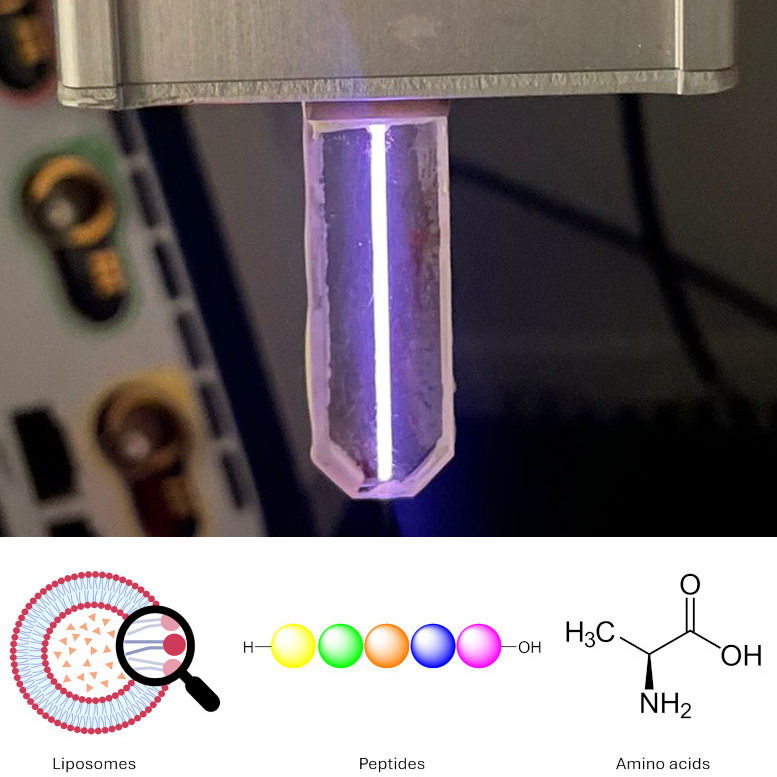
Plasma represents the fourth state of matter, in addition to solids, liquids, and gases. It is an ionized gas composed of free electrons and ions, commonly observed in technologies such as plasma torches. As the most prevalent form of ordinary matter in the universe, plasma is mainly found in stars, including our Sun. A particular subtype, known as Cold Atmospheric Plasma (CAP), has gained attention in medical research and is currently being evaluated in clinical trials for applications such as skin disinfection, wound healing, and the treatment of various dermatological conditions. One of the key features of CAP is the generation of reactive oxygen and nitrogen species (RONS), which exhibit high reactivity due to their oxidative nature.
In our research group, we focus on studying the interactions between CAP and various biomolecules, including amino acids, peptides, and liposomes. In addition to fundamental studies, we use CAP-activated biomolecules as drug delivery systems in cancer therapy. This is an emerging field in medicinal research, so our aim is to deepen the understanding of these interactions and contribute to the development of novel approaches that enhance current cancer treatment strategies.
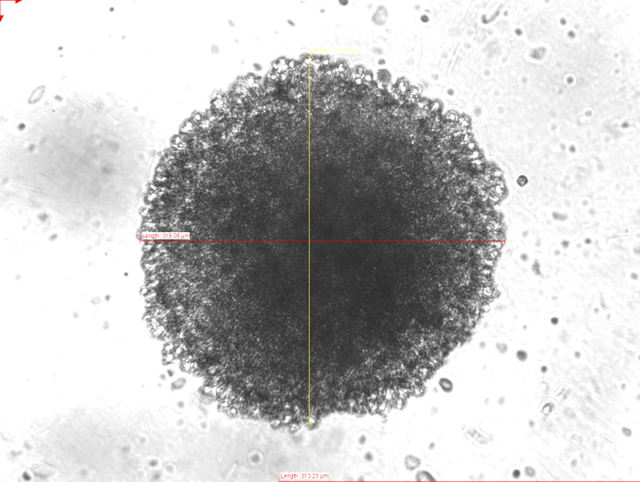
In addition to performing chemical syntheses of new molecules in the wet lab, our group also runs a cell culture lab. Here, we perform first investigations on the biological activity of our new metal complexes and bioconjugates. We carry out cytotoxicit and viability assays, study metabolism and cell death mechanisms, and investigate compound localization intra-cellularly by fluorescence microscopy. More recently, we have expanded the traditional "2D" cell culture (where cells are grown and studied as monolayers in flat-bottom plates) to 3D cell culture, where cancer cells grow in three dimensions, so-called "spheroids". In comparison to monolayer cell cultures, these multi-cellular tumour spheroids (MCTS) are able to accurately simulate many features of in vivo human solid tumours, such as their spatial architecture, physiological responses, secretion of soluble mediators to facilitate inter-cellular communicaton, gene expression patterns, and drug resistance mechanisms.
We study the anti-proliferative activity of synthesized compounds in 2D cell culture and solid 3D tumor spheroids, and we develop metal-based imaging dyes so as to detect intracellular localization of metal complexes and metabolic activity. More advanced biomedical experiments and techniques are carried out with our collaborators in the Medical Faculty at RUB, and elsewhere. In collaboration, we also use confocal microscopy and advanced techniques like lifetime imaging (FLIMS).
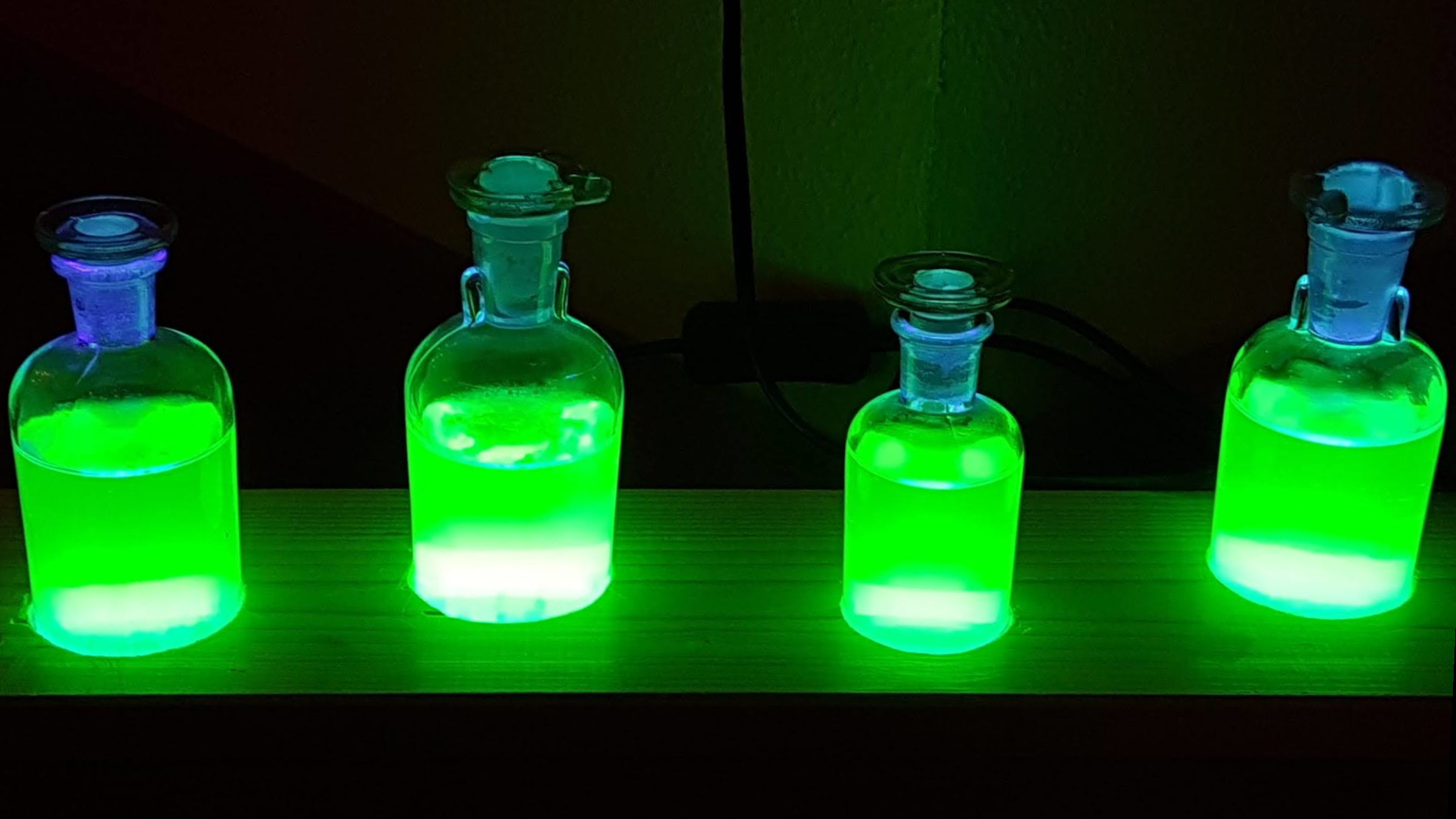
Our group has extensive experience with the use of peptides as targeting agents, for example to make toxic metal-complexes tumor-specific. More recently, advanced targeting agents have moved into our focus such as metal nanoparticles and MOFs. Metal-organic frameworks (MOFs) are porous, sponge-like materials made of metal ions and organic linkers. Their high internal surface area makes them ideal for storing and transporting antibiotics or anticancer agents. A key challenge in medicine is delivering drugs specifically to cancer cells or bacteria, without harming healthy tissue. MOFs provide a great platform for this challenge by allowing surface modification on the MOF with targeting ligands — molecules that recognize specific markers on diseased cells. When MOFs are in addition loaded with, e.g. anticancer drugs, they can deliver their drug payload directly to the target, increasing treatment effectiveness and reducing side effects. Thanks to their high drug loading capacity and versatile surface functionalization, MOFs are an exciting area of research in precision medicine and targeted therapies for both cancer and infectious diseases.
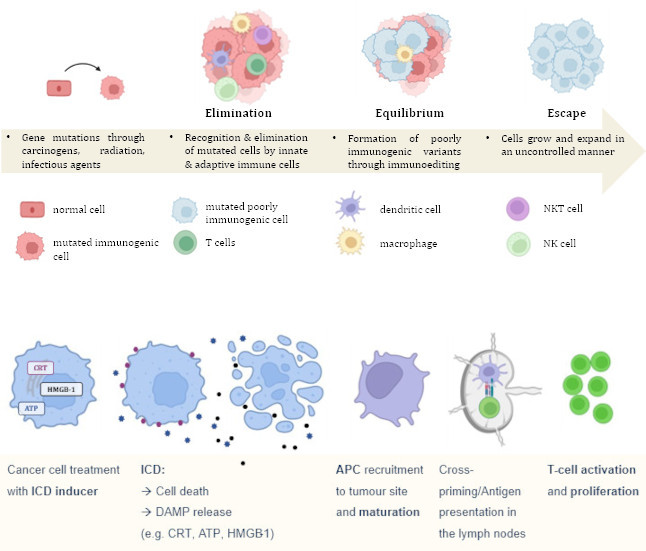
Medicinal Inorganic Chemistry has long focused on the discovery of new anticancer complexes, and on elucidating their mode of action. To go beyond the established, our group has recently shifted its focus toward designing compounds that not only kill cancer cells but also help reveal how subtle structural changes influence the type of cell death they trigger. By strategically modifying metal complexes, we aim to understand and control the molecular mechanisms that govern specific forms of cell death, particularly those that can enhance the body’s own immune response against tumours.
One of our key areas of interest is Immunogenic Cell Death (ICD), a unique form of cell death where dying cancer cells release signals that recruit and activate immune cells. These signals promote the maturation of dendritic cells and the presentation of tumour-associated antigens to T cells, a critical step in initiating a robust, long-lasting adaptive immune response. This immune activation holds the potential to act against metastasis and reduce the risk of cancer relapse. Our current research focuses on uncovering how structural variations within the gold–NHC ligand system affect the ability of these complexes to trigger immunogenic cell death.
Copyright © ac1 2026
Last update: Feb 23, 2026
